
Data is your best friend (and your starting point)
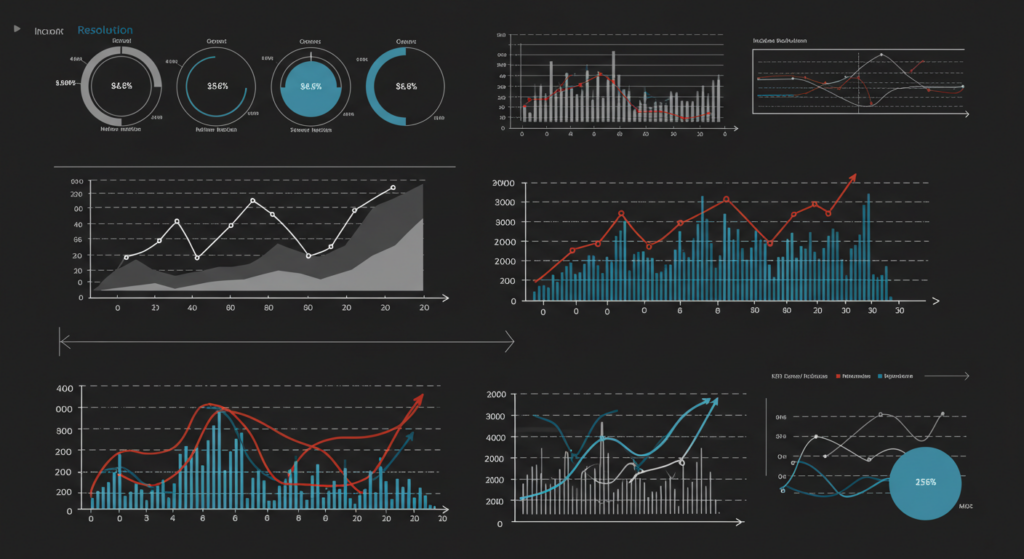
Let’s talk data. Not the overwhelming “every metric ever captured” kind of data—useful, actionable data. Setting an objective without data is like trying to debug an error without knowing the stack trace. Sure, you might stumble onto the solution eventually, but it’s going to be painful.
Take an objective like “Improve platform reliability.” Sounds great, right? But what does “reliability” mean? Is it about uptime, error rates, or incident resolution time? Without data to narrow it down, your objective is more fluff than function.
Instead, start with metrics. Maybe your uptime is already stellar, but incidents take forever to resolve. That’s your focus: “Reduce average incident resolution time from 4 hours to 2 hours.” Now we’re getting somewhere. It’s specific, measurable, and actionable.
Tie objectives to what your teams actually do
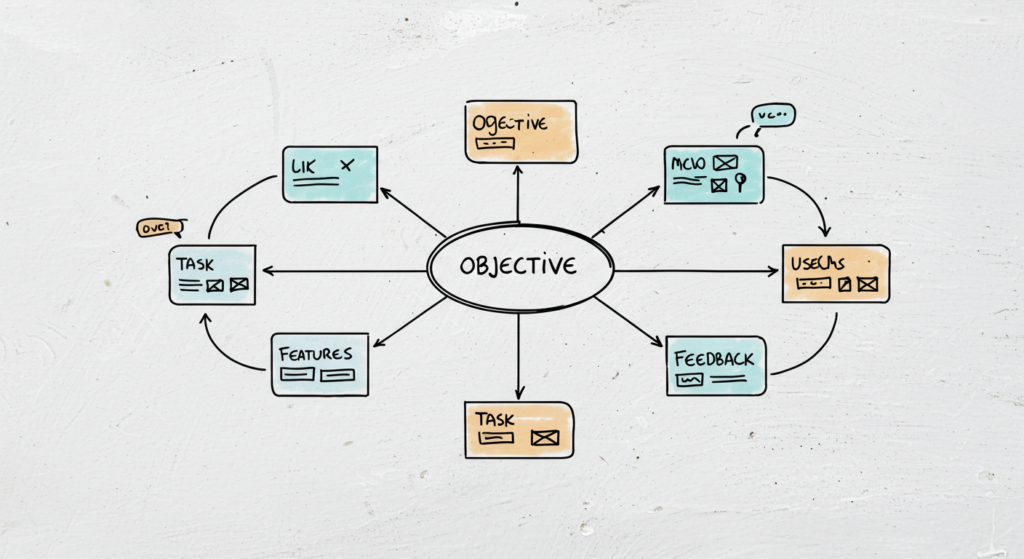
Here’s where most companies often trip up: objectives live in a vacuum. They’re written in a strategy doc or a quarterly plan, but they don’t connect to day-to-day work. This is like giving your engineering team a map with no roads—it’s not helping anyone get where they need to go.
For objectives to work, they need to link to real tasks and data:
- Feedback: What are customers or internal teams saying? If product reviews highlight laggy performance, the objective should align with fixing that.
- Real work: Objectives should map to specific projects or features. For instance, “Optimize API response times” becomes a measurable engineering task.
- Growth opportunities: Objectives are a chance to challenge teams, like giving emerging leaders the responsibility of driving key results.
Think of objectives as the connective tissue between strategy and execution. If they don’t directly influence what your team does every day, they’re not objectives—they’re wishful thinking.
Automated tracking: the secret weapon for modern teams
No one on your team signed up to be the “spreadsheet person.” Manual tracking is the kryptonite of a fast-moving company. Without automation, tracking objectives becomes a chore—and guess what happens to objectives no one tracks? Exactly.
Automated measurement isn’t just nice; it’s essential. For technology companies juggling sprints, releases, and incident management, it keeps everyone on the same page without wasting time.
Here’s what automation does for you:
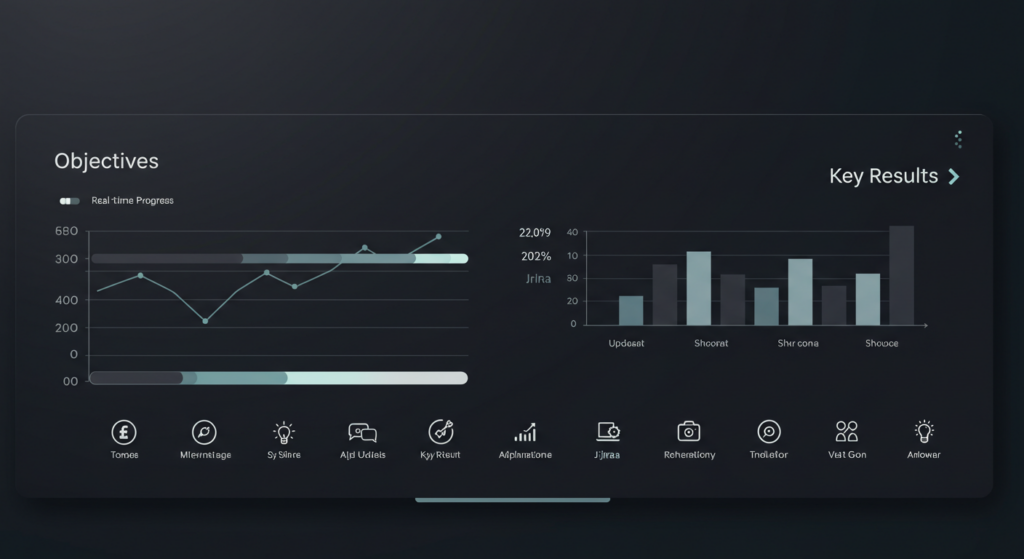
- Real-time updates
Tools like Jira and GitHub can sync directly with objective trackers, pulling in progress as work happens. - Instant visibility
At a glance, leaders can see which objectives are on track and which need attention—no more status meetings for the sake of status meetings. - Proactive adjustments
Alerts and analytics highlight when something’s off course, giving teams the chance to fix issues before they snowball.
Think big, measure smart
Objectives are more than just goals—they’re the compass for navigating complexity. But a compass only works if you know where you’re starting and if the needle isn’t spinning in circles.
By grounding objectives in data, linking them to real work, and automating measurement, you’re setting your teams up for success. More importantly, you’re ensuring that objectives don’t just exist on paper—they drive action, align teams, and deliver measurable results.
Imagine this: your OKRs don’t just sit in a document no one opens; they guide sprints, shape priorities, and show exactly how your teams contribute to the big picture. That’s the kind of objective-setting that turns a good tech company into a great one.
Let’s leave the vague goals and manual tracking behind. It’s time for data-driven, connected, and automated objectives that actually move the needle. After all, your teams are building the future—shouldn’t your objectives do the same?